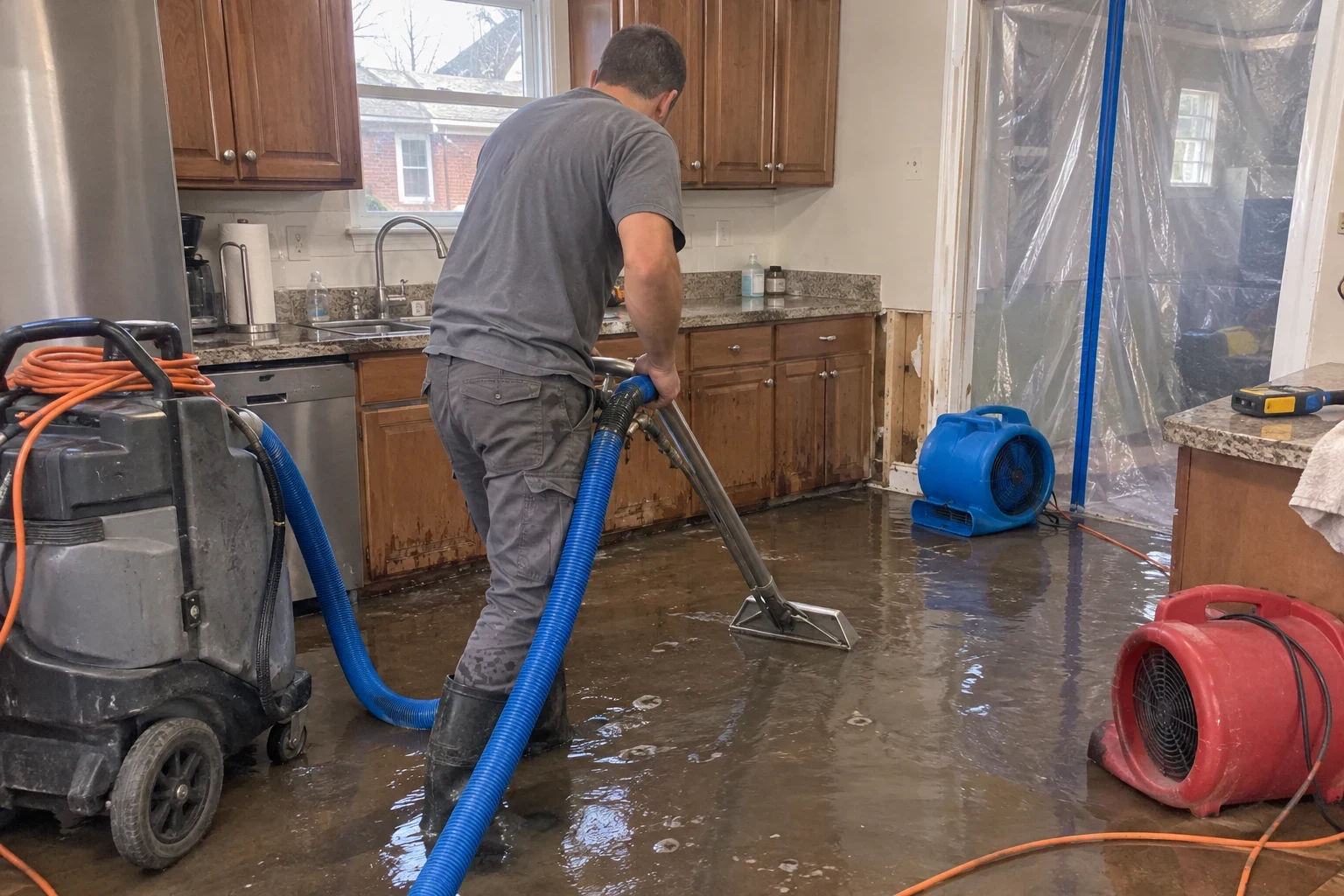
Water Damage Restoration in Highland Springs, Done Carefully
When a storm, a burst supply line or a backed-up drain puts water where it should not be, we come out, find where it went and stop it from spreading. We handle water extraction, drying, mold remediation, sewage cleanup and repairs for homes in Highland Springs, Sandston and Mechanicsville.
- On site in 60 mins or less
- Free on-site inspection
- Moisture readings in every room
- Written scope before work
What We Handle After Water Gets In
A single leak or storm often calls for several kinds of work, done in the right sequence. Water comes out first, the structure is dried to a measured target, and only then is damaged material cleaned, treated or rebuilt. We cover water extraction, drying and dehumidifying, flood cleanup, sewage cleanup, mold remediation and repairs and rebuild, so the same crew carries your home from the first wet floor to the final coat of paint.
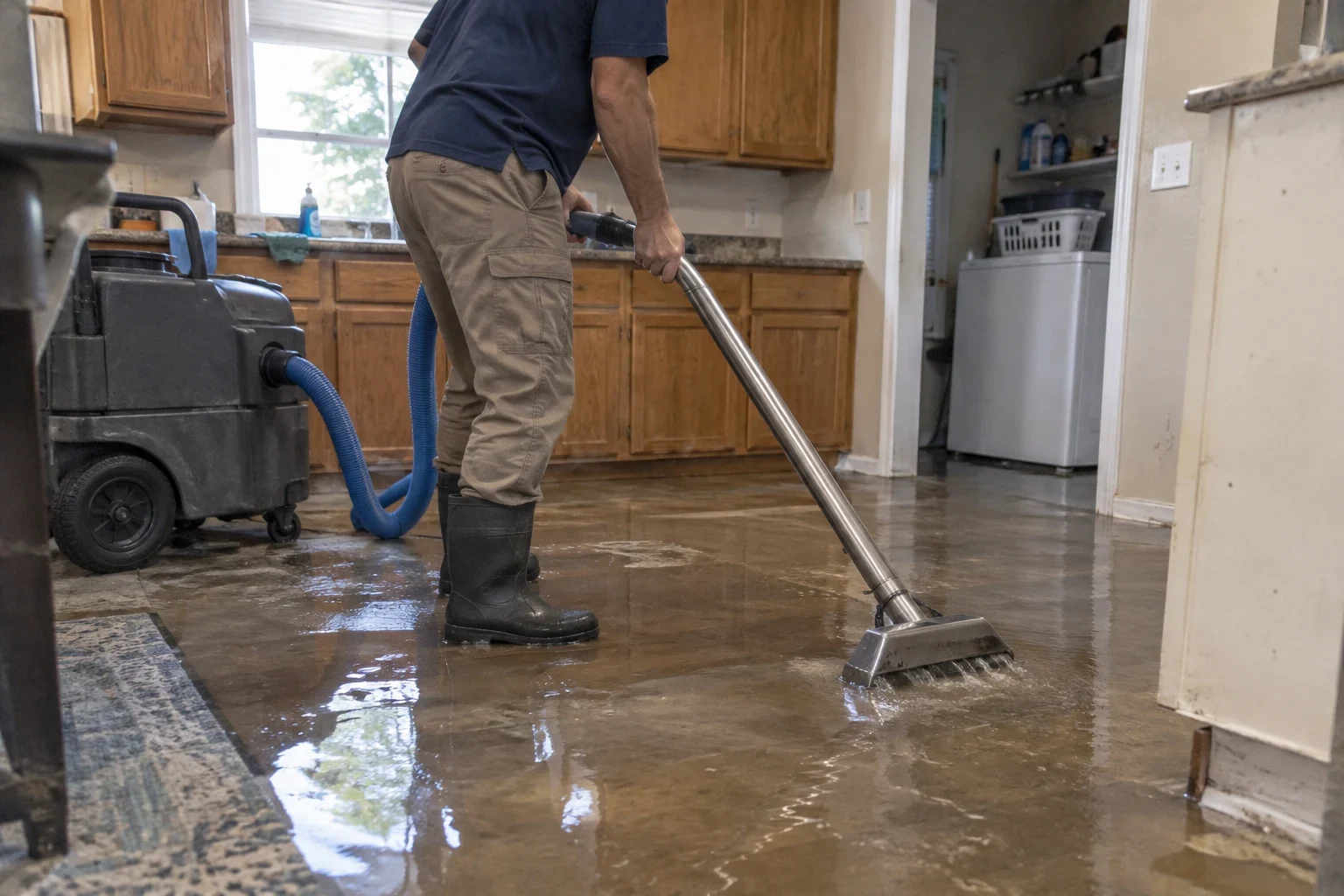
Water Extraction
We pull standing and soaked-in water from floors, carpet and crawl spaces, then map hidden moisture so drying starts on solid footing.
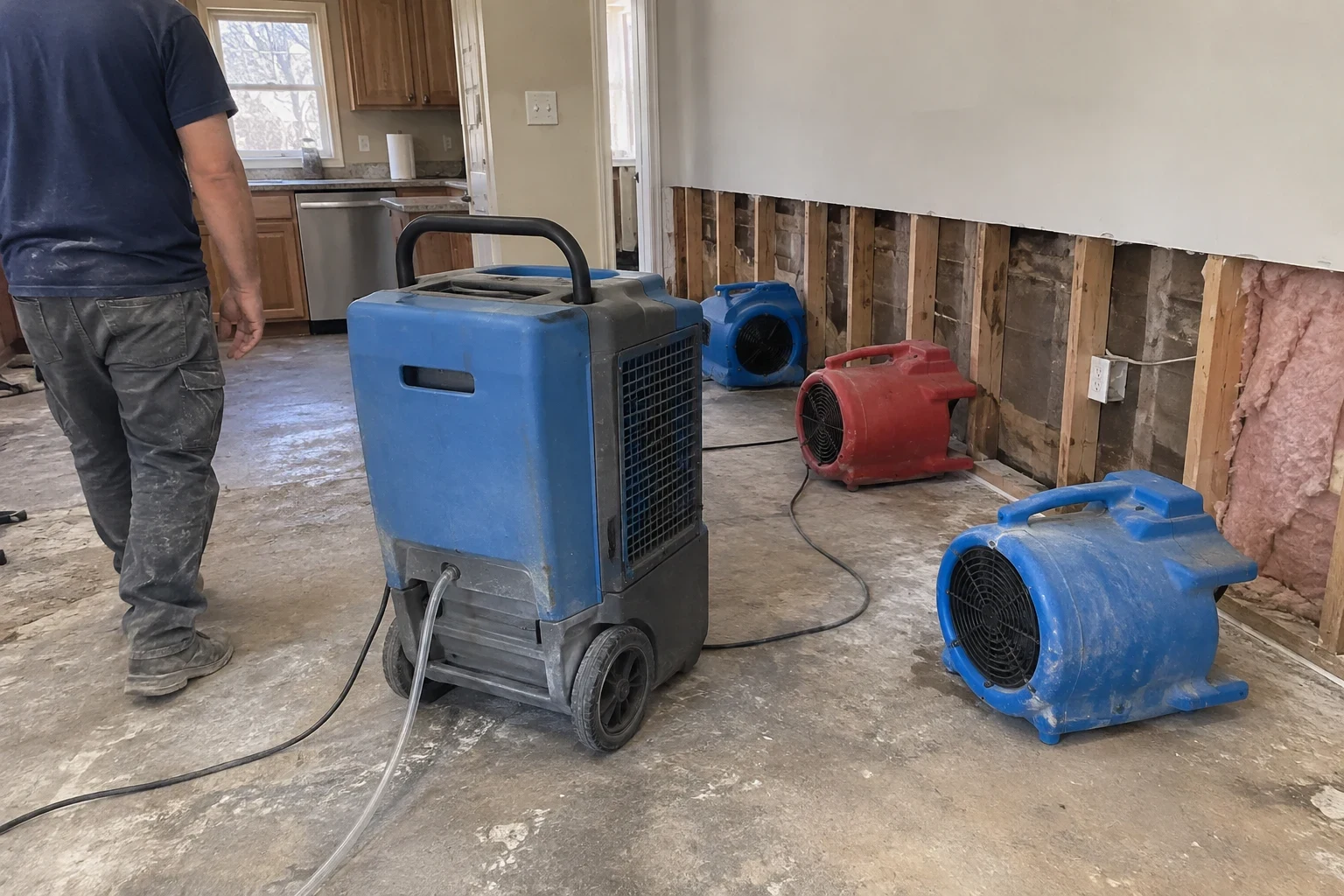
Drying and Dehumidifying
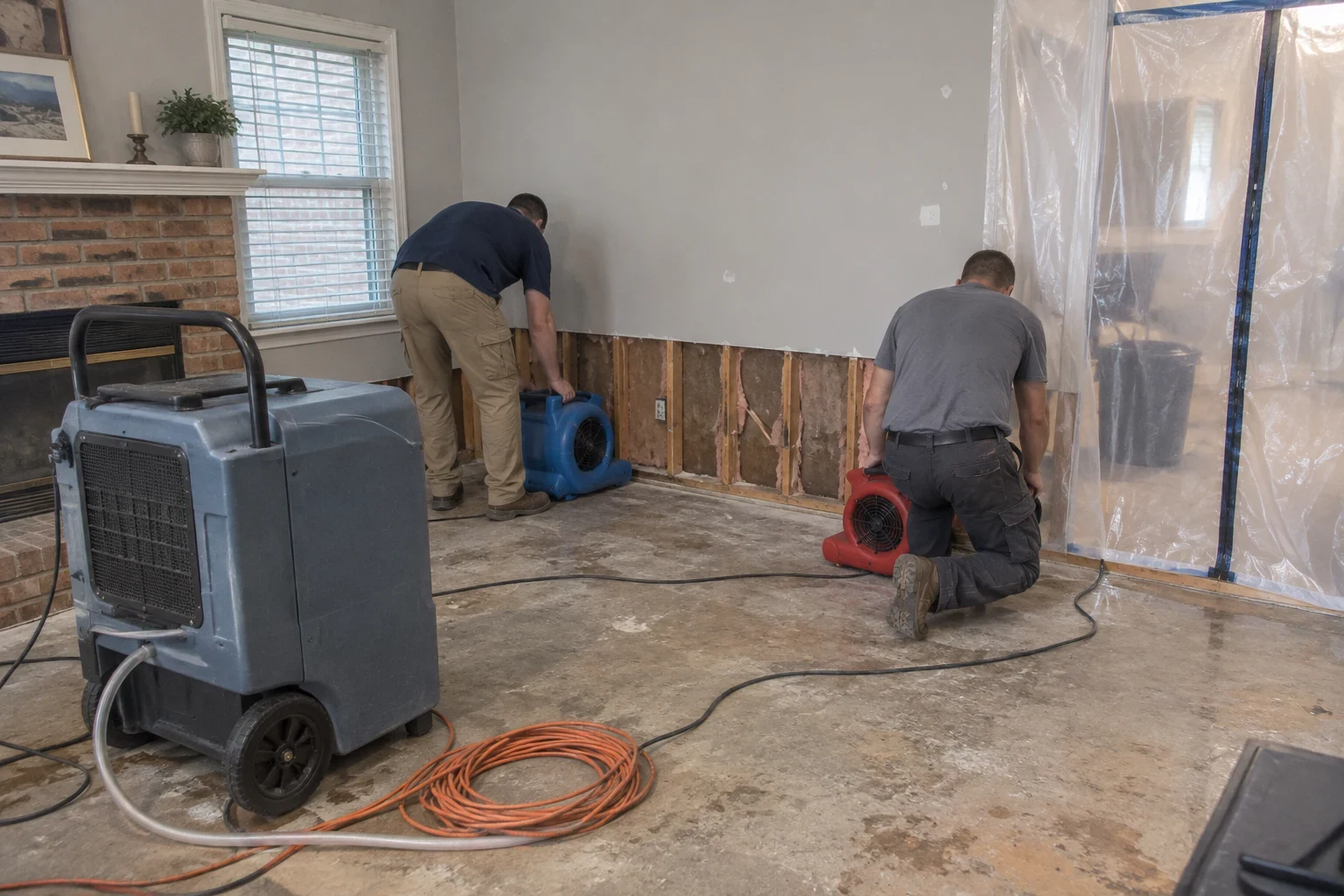
Air movers, dehumidifiers and daily moisture readings that bring walls, floors and framing back to a measured dry standard after water damage.
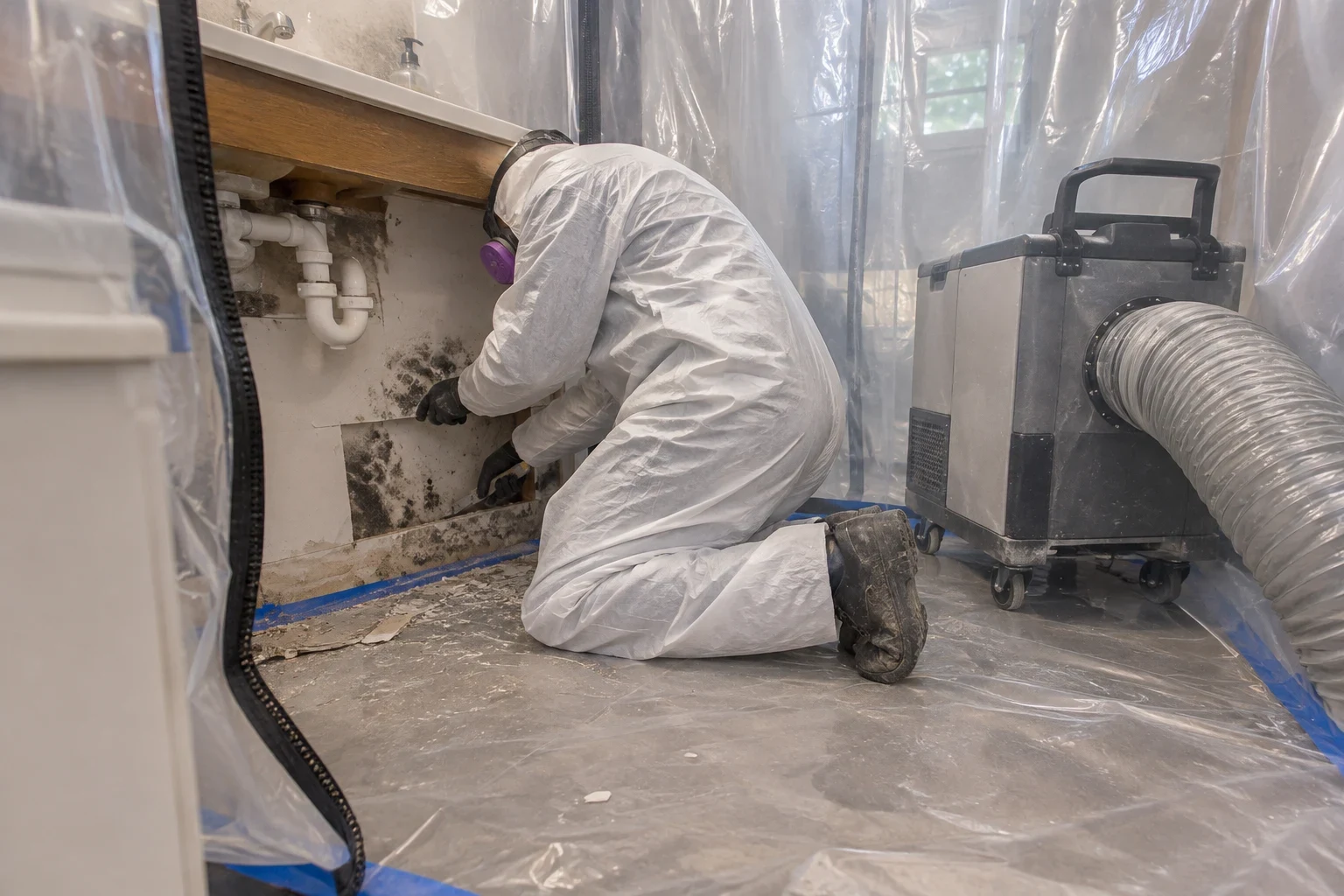
Mold Remediation
We contain mold, remove what cannot be saved, clean what can, and correct the moisture that let it grow so it does not return.
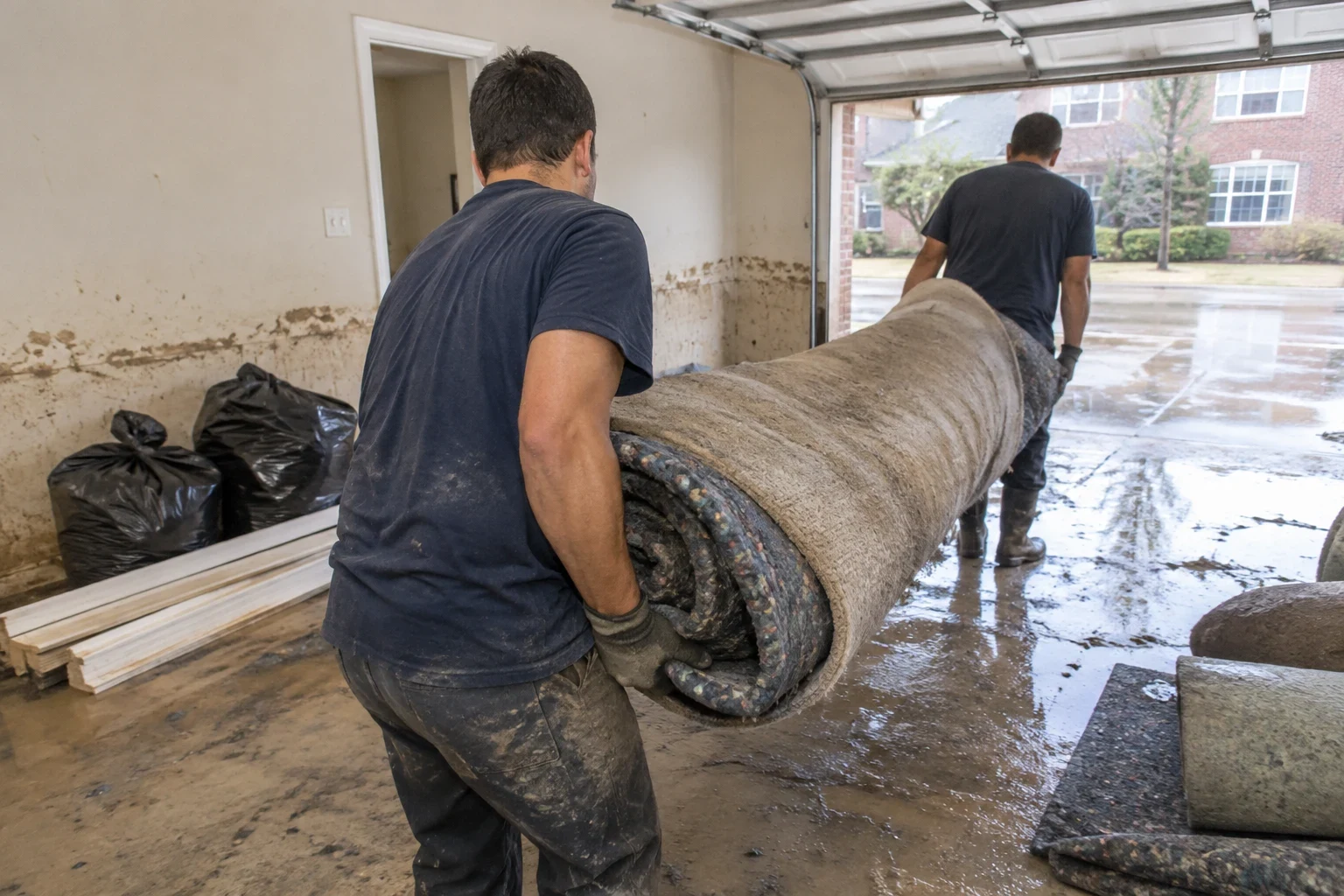
Flood Cleanup
We remove floodwater, mud and soaked materials, sanitize what remains and dry your home so repairs can start on a clean, sound structure.
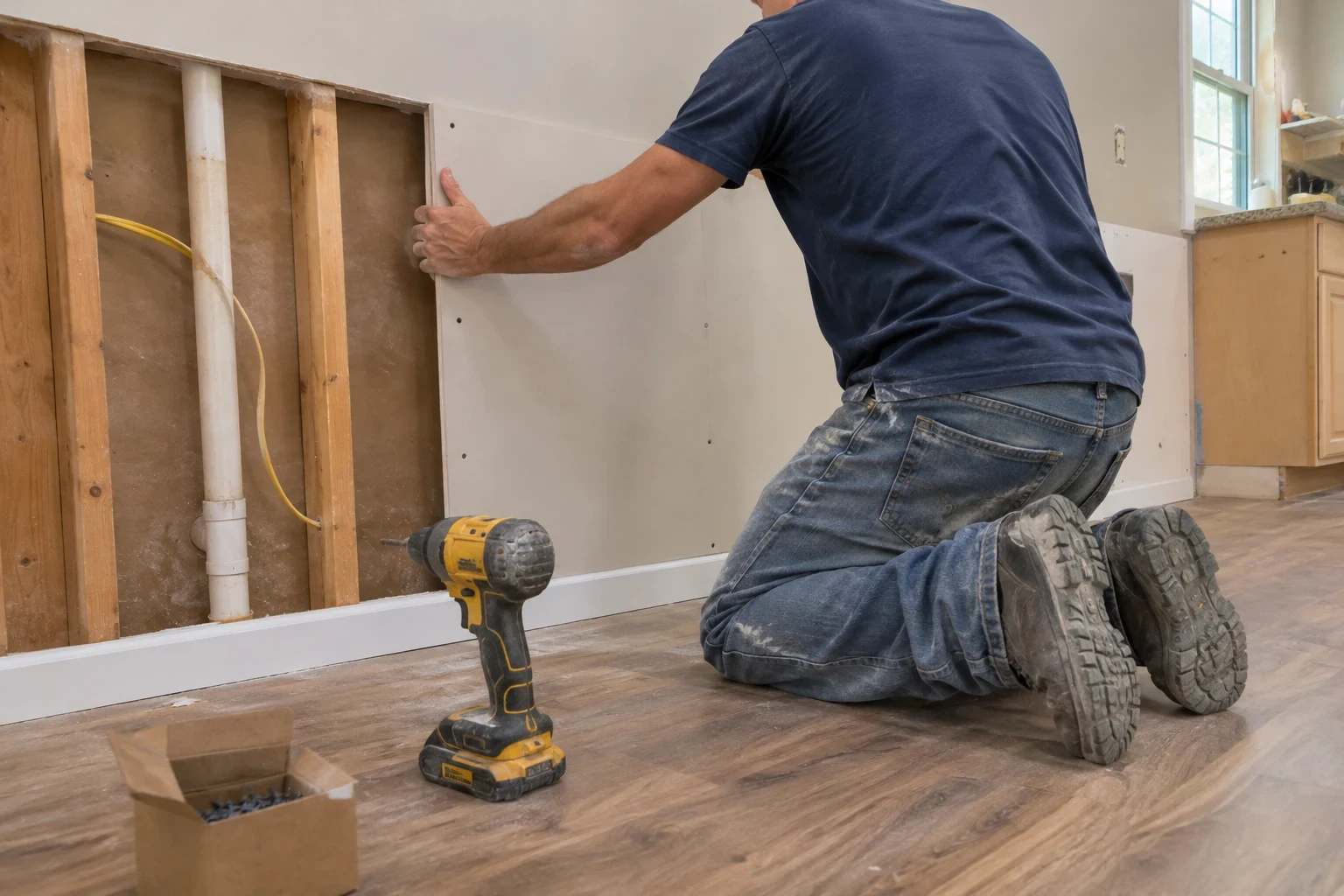
Repairs and Rebuild
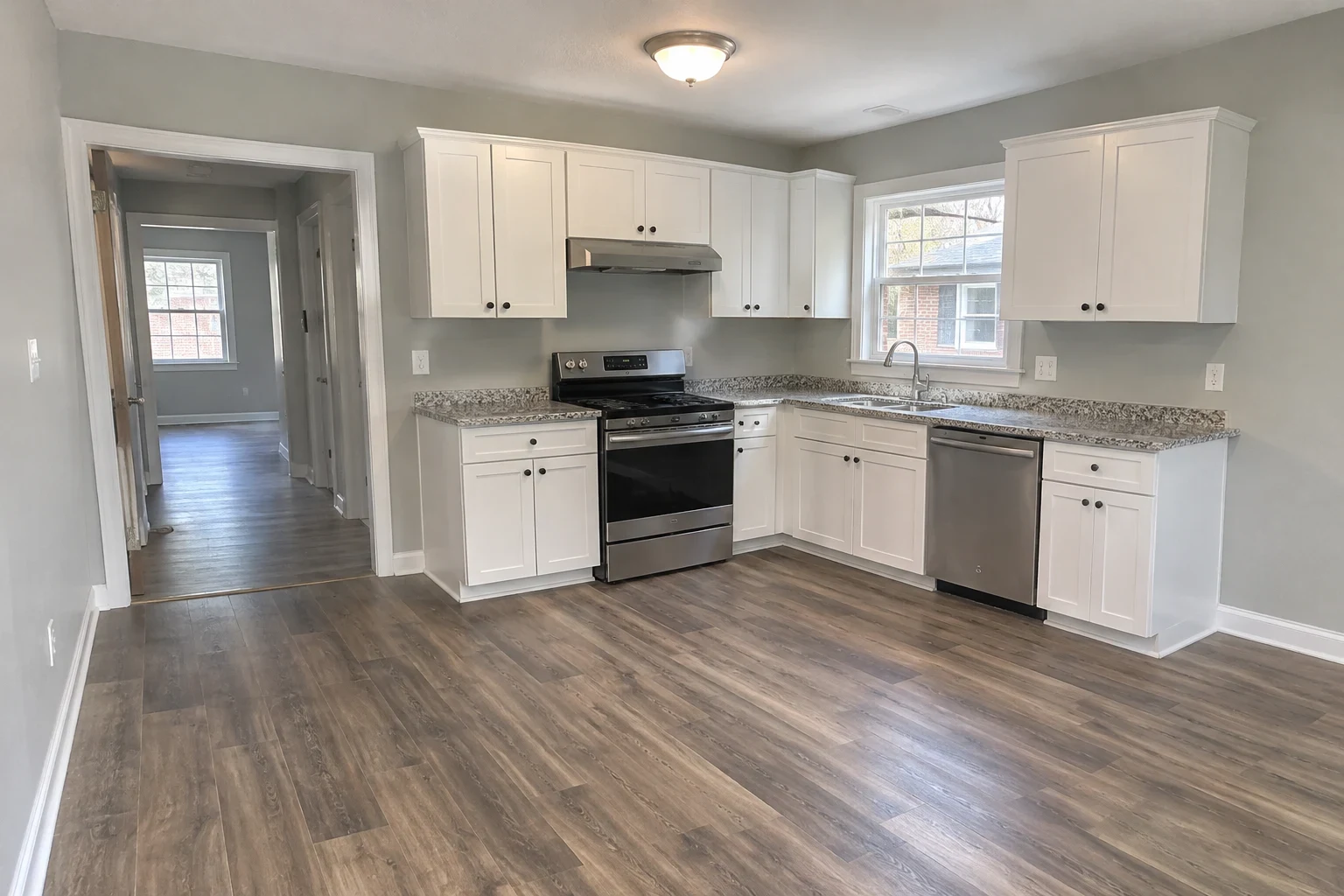
We put back the drywall, floors, cabinets and trim that water damage took out, matched to the rest of your home and finished cleanly.
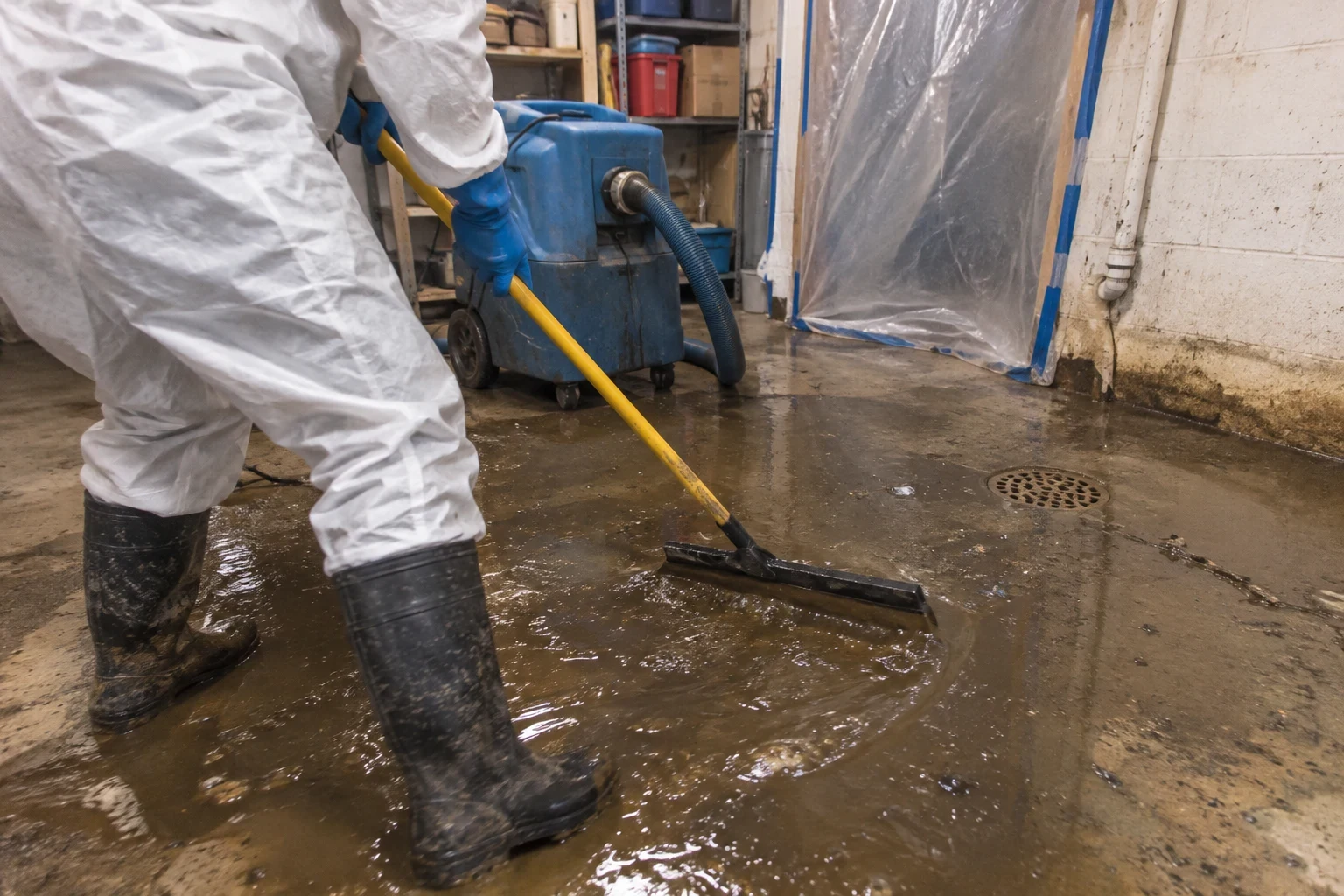
Sewage Cleanup
Contained removal of sewage-soaked materials, thorough disinfection and careful drying, so the affected rooms are clean and safe to rebuild.
How a Restoration Job Runs
Each job moves through the same stages in the same order, so you can see what is coming and about how long it will take.
- 1
Your call and our arrival
Let us know what happened and which rooms are wet. We arrive for a free on-site inspection, check for electrical and structural hazards and help shut off the source if water is still running.
- 2
Trace and record the moisture
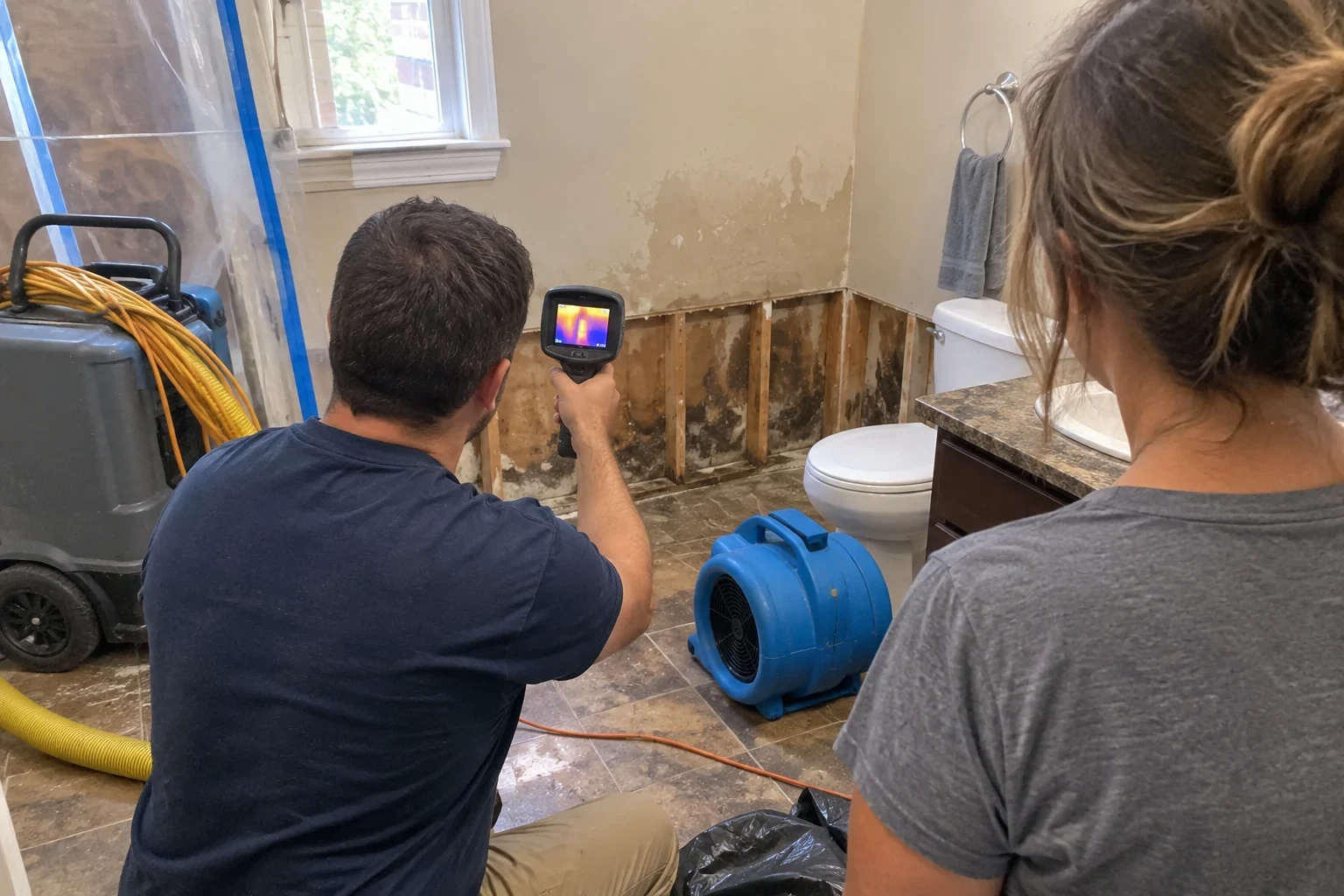
Meters and thermal imaging show us where the water traveled. We photograph the damage, mark the wet zones and walk you through what we found, along with a written scope of work.
- 3
Remove water and start drying
Truck-mounted or portable extractors pull out the standing water. Air movers and dehumidifiers go in based on room size and the materials involved, and anything that cannot be dried is taken out.
- 4
Check readings until dry
We come back to measure and adjust the equipment, typically over several days. The job is dry when the numbers confirm it, not when a surface feels dry to the touch.
- 5
Clean, treat and rebuild
Affected areas are cleaned and treated as needed. If drywall, flooring, trim or cabinets were removed, our repairs and rebuild work restores your home with finishes matched as closely as we can.
A Restoration Company Built Around the First Few Hours
We started this company to give homeowners a steadier experience after a bad day. Water damage is stressful, and the worst thing a crew can do is add noise to it. We show up, explain what we see and get to work in a clear order.
Our focus is your home, its materials and how it will look and hold up afterward. We take time with the details that are easy to rush: dry readings before closing a wall, matched trim profiles, clean edges where new drywall meets old, and a home left tidy at the end of every visit.
What Moves the Price of Restoration
Water rarely takes the same path twice, so each loss gets priced on its own. A few things shape the total more than anything else. We go over each of them with you during the free inspection, before any work starts.
We put your estimate in writing, item by item, once we have measured the moisture and seen the damage ourselves. If opening a wall shows more than expected, we show you the photos and explain the change before we continue.
- Where the water came from
- A leaking supply line brings clean water. Storm water from outside or a backed-up drain brings contamination, which calls for protective gear, heavier cleaning and removal of more porous material.
- Spread and depth
- Floor area counts, but depth counts too. Water that reached a crawl space, slipped under a floating floor or climbed into the base of drywall needs more extraction and longer drying than water resting on tile.
- The materials it touched
- Solid hardwood, engineered planks, carpet, plaster and drywall each react to moisture in their own way. With good airflow some recover where they are, while others cup, swell or come apart and have to be replaced.
- How long it sat
- After a day or two, water works deeper into the structure and mold gets a foothold. Starting extraction early usually shortens the equipment run and limits tear-out.
- Equipment and drying time
- Readings decide how many air movers and dehumidifiers go in and how long they stay. We check progress on every visit and remove equipment as soon as materials reach their target.
- Rebuild work and permits
- When walls, floors or cabinets have to be rebuilt, the size of that work and any permit it needs are part of the total.
How We Work in Your Home
What happens in the first hours after water gets in largely decides how much of your home can be kept. We move fast, keep the work orderly and tell you what each step is before we take it.
Quick arrival, steady pace
We are on site in 60 mins or less. Our first tasks are stopping the source if it is still active, making the space safe and pulling water before it climbs further into drywall and subfloor.
Readings, not guesses
Moisture meters and thermal imaging let us follow water behind baseboards, under flooring and inside wall cavities. You see the readings and photos yourself, so you know why a section of drywall comes out or why it can stay.
We save what can be saved
Started early, hardwood, cabinets and plaster can often dry where they stand. When something cannot recover, like swollen particleboard or carpet pad soaked by a backup, we say so plainly and put it in writing.
Care for the rest of the house
We protect the floors along our paths, close off work areas with plastic sheeting and set furniture on blocks or move it out of wet rooms. Cords and hoses are routed so you can keep living around the job.
Support on the insurance side
We work with most major insurance companies. Our photos, moisture logs and itemized scope give your adjuster a clear record, and we walk you through how a claim usually goes while leaving the adjuster's role to the adjuster.
Areas We Serve
We are based in Highland Springs and work throughout the surrounding area, including Sandston, Mechanicsville, East Highland Park, Montrose and Lakeside. We also take calls from Richmond, Bensley, Chamberlayne, Meadowbrook and Laurel. Wherever you are nearby, the process is the same: a free on-site inspection, a written scope and careful drying.
- Highland Springs
- Mechanicsville
- East Highland Park
- Montrose
- Sandston
- Richmond
- Lakeside
- Bensley
- Chamberlayne
- Meadowbrook
- Laurel
If you are not sure whether your street is in our area, give us a ring and we will tell you straight away. The Service Areas page lists the towns we cover most often.
Questions Homeowners Ask Us
What should I do first after water gets into my home?
If it is safe, close the main water valve or switch off the breaker that feeds the wet area, and stay out of rooms where water is near outlets. Move rugs and small valuables to a dry spot and take a few photos. Then phone us, and we will take it from there.
How soon will someone arrive after I call?
Our standard is on site in 60 mins or less. That speed matters because water keeps wicking into drywall, subfloor and insulation, and the sooner extraction starts, the more of your home can usually be dried in place instead of torn out.
Will my insurance cover this?
That depends on your policy and on what caused the damage. Sudden events such as a burst pipe are often covered, while slow leaks and some flood losses may not be. We work with most major insurance companies and supply photos, moisture records and an itemized scope, though the coverage decision always belongs to your adjuster.
How long does drying take?
Most homes need several days, and dense materials like hardwood or plaster can take longer. We take readings at each visit and keep the equipment running until the materials reach their drying goal.
Do I need to move out during the work?
For clean water losses, usually not. The equipment hums steadily and the rooms being dried stay off limits for a while. Sewage backups and larger flood cleanup jobs can be different, and we will tell you honestly what to expect at the inspection.
Will I get mold?
Damp materials can begin growing mold within a day or two, which is why quick extraction and measured drying matter so much. If we do find mold, our mold remediation work seals off the area, removes affected material and treats what remains before anything is closed back up.
Is the inspection really free?
Yes. We come to your home, look over the damage, take moisture readings and explain our recommendation at no charge. You decide whether to go ahead after you have seen the written scope.
Water Where It Should Not Be? Let Us Take a Look
We will come out, find where the water went and give you a clear plan before any work begins. The inspection costs nothing.