ServicesMold Remediation
Mold Remediation in Highland Springs
Mold almost always follows water that stayed too long. We seal off the affected area, remove growth and damaged materials with care, and dry the structure so the problem does not quietly come back. It starts with a free on-site inspection and a plain answer about what we find.
What Mold Remediation Involves
Mold remediation is more than wiping a stain off drywall. Spores spread easily once growth is disturbed, and the visible patch is often the smaller part of what is there. Proper work means containing the area, removing porous materials that have been colonized, cleaning the surfaces that can be saved, and fixing the moisture source that started it.
It is the right call when you can see or smell growth, when a leak or storm left materials wet for more than a day or two, or when a past water problem was never fully dried. Virginia's humid summers keep crawl spaces and basements damp for long stretches, so growth that starts after a storm can keep spreading if nobody addresses the moisture.
We work calmly and explain each step before we start. You will know what we plan to remove, what we expect to keep, and why.
What Our Mold Remediation Covers
Moisture mapping
Meters on walls, floors and framing show where water is still sitting. Mold that comes back usually grows from a damp pocket that was overlooked the first time.
Containment
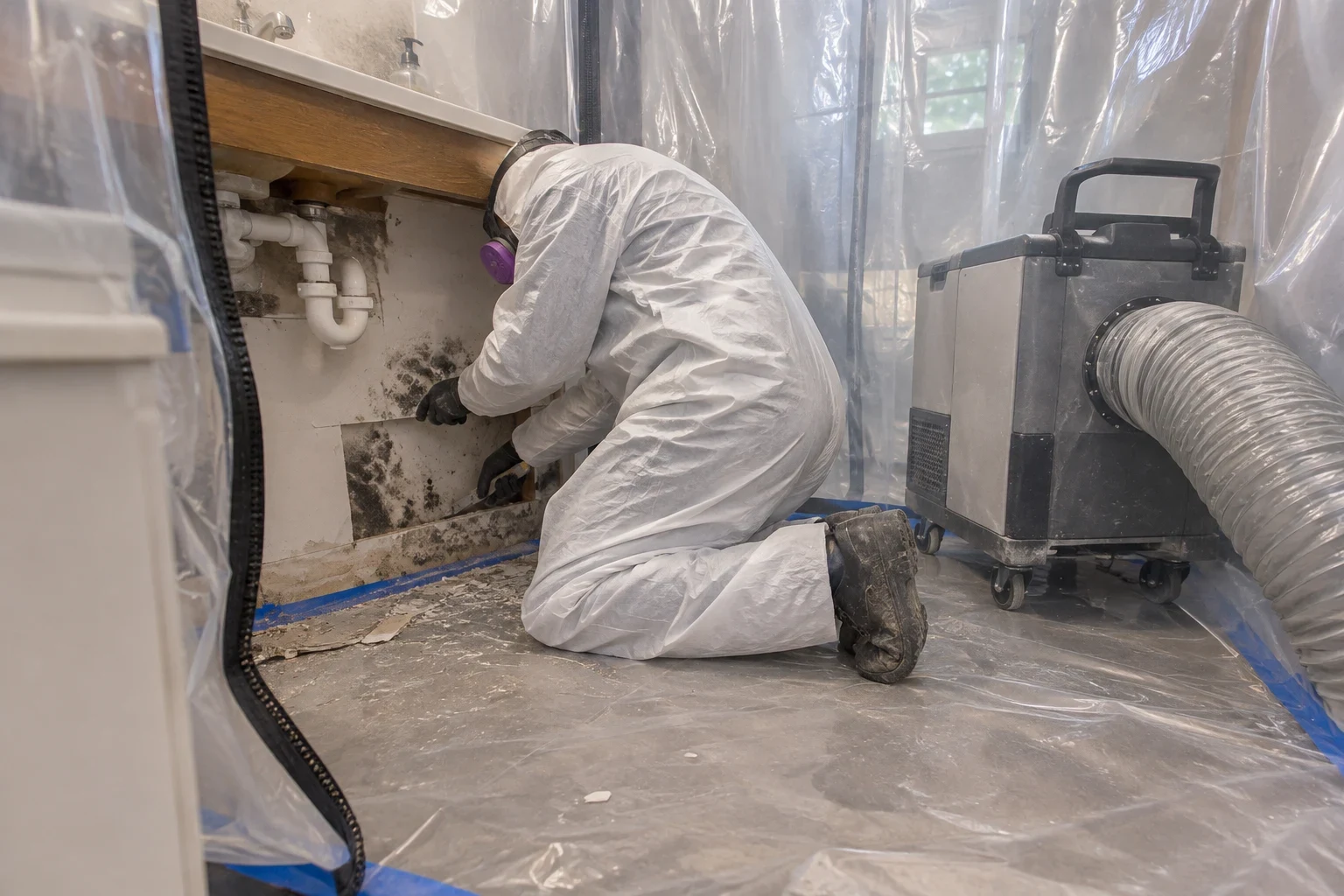
Plastic sheeting and negative air pressure seal off the work area so spores stay put. The rest of your home stays clean and usable.
Careful material removal
Moldy drywall, insulation and carpet pad are cut out and sealed in heavy bags before they leave the sealed zone. Sound materials stay in place, and you see the evidence for every piece we take out.
Cleaning salvageable surfaces
Framing, subfloor and other solid materials are cleaned and treated where that is the sound choice. A HEPA vacuum pass then picks up lingering spores and dust.
Drying and moisture control
Dehumidifiers and air movers bring materials back to normal moisture levels. Our drying and dehumidifying work is often what keeps mold from returning.
Photo record for insurance
Before-and-after photos document what was found and what was removed. We work with most major insurance companies, and that record makes a claim easier to support.
Signs Your Home May Need Mold Remediation
A musty smell that lingers
An earthy odor in a closet, basement or one room usually means growth somewhere you cannot see, often behind drywall or under flooring.
Spotting or discoloration
Gray, green or black patches on walls, ceilings or baseboards. Fuzzy growth on stored items is another sign.
A recent leak or storm
Materials that stayed wet for more than a day or two after a roof leak, burst pipe or storm water are at real risk, even if they look dry now.
Peeling paint or warped trim
Bubbling paint, soft drywall and swelling baseboards point to moisture trapped inside the wall.
Damp crawl space or basement
Condensation on ductwork, wet insulation or a heavy feel to the air below the house often comes before visible mold.
From First Visit to Finished Room
- 1
Inspection at no cost
A technician examines the growth you can see, takes moisture readings and follows the water back to where it started. You hear an honest read on the scope before anything is cut or cleaned.
- 2
Written plan and containment
We go over what will be removed and what will be cleaned, then put up containment and air filtration. Furniture and floors along the work path are covered.
- 3
Removal and cleaning
Affected materials are sealed in bags before leaving the contained space. Remaining surfaces are cleaned, treated and HEPA vacuumed.
- 4
Drying and final check
Equipment keeps running until readings show the materials are dry. The area is checked again before containment comes down, and we leave it clean.
- 5
Putting the room back
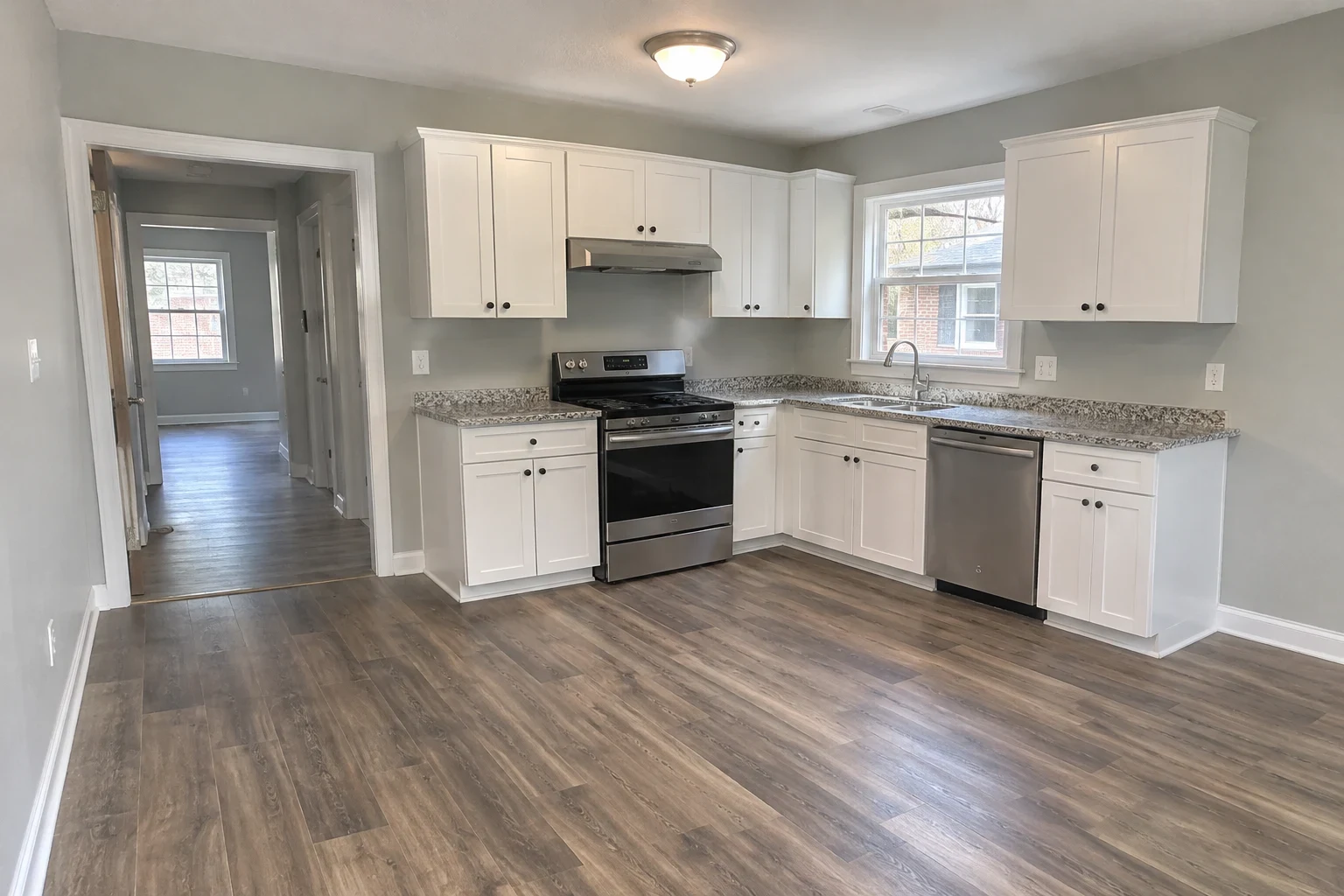
When walls or floors were opened, our repairs and rebuild work restores them with materials and finishes chosen to match what was there.
What Shapes the Cost of Mold Remediation
No two mold jobs are alike, so we price after we have seen the space and measured the moisture. Your estimate lists each part of the work so nothing appears later without explanation. If insurance may apply, we walk you through what we document and why.
- Size of the affected area
- A single bathroom wall takes far less containment, labor and disposal than a full basement or several connected rooms.
- What the mold has grown into
- Surface growth on framing can often be cleaned. Growth in drywall, insulation or carpet pad usually means removal and replacement.
- Access
- Tight crawl spaces, attics and finished basements take more time to contain and work in safely.
- The moisture source
- Ongoing leaks or high humidity need to be corrected and dried before cleaning holds. That drying time is part of the cost.
- Rebuild afterward
- Replacing drywall, trim, flooring and paint adds to the total when materials had to come out.
Mold Remediation Questions
Something not covered here? (804) 583-2810
Can I just clean the mold myself with bleach?
For a small spot on a hard, nonporous surface, careful cleaning can work. Bleach does not reach growth inside drywall or wood, and scrubbing without containment can spread spores to other rooms. If the area is larger than a small patch or keeps returning, it is worth having us look at it.
Will you remove more than you need to?
No. Porous materials that mold has colonized come out, and anything that can be cleaned stays. Each decision comes with the moisture readings and photos behind it, so you can follow the reasoning yourself.
How soon after water damage can mold start?
Mold can begin growing within a day or two on wet drywall, carpet pad and wood. That is why fast water extraction and thorough drying after a storm or leak matter so much.
Do I need to leave my home during the work?
Most families stay home. Containment and air filtration keep the work area separate, and we plan around the rooms you use most. For large jobs or anyone with respiratory concerns, we talk through options during the inspection.
What if water is still coming in when I find the mold?
Stopping the water comes before anything else. Our phone is answered at any hour for emergencies, and when water is actively coming in, a crew is on site in 60 mins or less to extract it and start drying. If the mold appeared with no active leak, the inspection can be set for a day and time that suits your schedule.
Will insurance cover mold remediation?
It depends on your policy and what caused the moisture. Sudden events like a burst pipe are treated differently than long-term leaks. We work with most major insurance companies and provide the photos and documentation your adjuster will ask for.
Have Mold Looked at Before It Spreads
Tell us what you are seeing or smelling and when the water got in. We will come out, find the source and explain your options plainly.